Inside the Cleanrooms Where the Chip Race Is Run
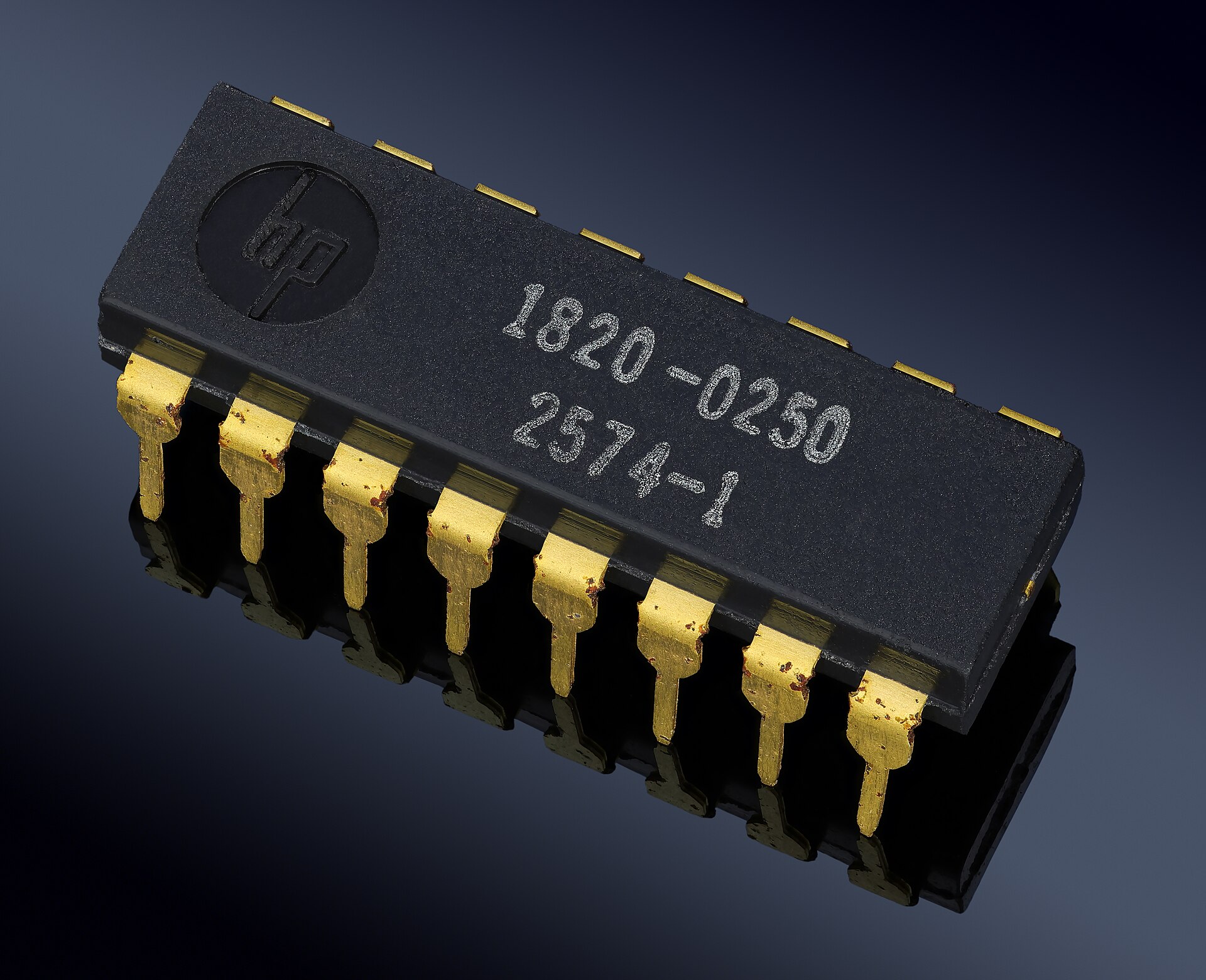
A modern chip fab is less a factory than a cathedral to precision: football-field cleanrooms, robotic carriers gliding overhead, and lithography machines that cost more than a wide-body jet. Here, the two-nanometre generation of semiconductors is entering production — transistors so small that their features are measured in counts of atoms.
Because these chips sit inside everything from missiles to washing machines, the race to build them has become a matter of statecraft. Coverage by Reuters describes subsidy auctions between continents, export controls on the tools themselves, and a global scramble for the engineers who know how to run the lines.
What “Two Nanometres” Really Means
The number is a generation name more than a measurement — no single part of the transistor is exactly two nanometres wide. What it signals is density and efficiency: more transistors per chip, each switching with less energy. For AI data centres, where electricity is the binding constraint, those efficiency gains are worth as much as raw speed.
Each generation demands new transistor architectures and new materials, coaxed into place by lithography systems that pattern silicon with extreme ultraviolet light — generated by dropping molten tin through a vacuum and blasting it with lasers, fifty thousand times a second. The machinery is as astonishing as the chips.
A Supply Chain of Chokepoints
Only a handful of companies can build each critical tool, and some components have exactly one credible supplier on Earth. That concentration is the industry’s great strength — specialisation pushed performance — and its great vulnerability, which export controls and factory diversification are now trying to soften.
Building a leading fab takes years, tens of billions, and a local ecosystem of ultrapure chemicals, gases and specialist maintenance. The subsidies make headlines; the unglamorous work of training technicians and securing water and power decides whether the fabs actually thrive.
Who Needs the Leading Edge
Not every chip needs the frontier. Cars, appliances and industrial kit run happily on older, cheaper generations, which is why “mature node” capacity is expanding too. The leading edge serves the flagship phones, the AI accelerators and the high-performance computers where each watt and millimetre is contested.
That segmentation is healthy. It means the race at two nanometres, for all its geopolitics, is ultimately about a specific, calculable prize: the intelligence-dense, energy-frugal computing on which the AI economy is being built.
Yields — the share of chips per wafer that actually work — are the industry’s closely guarded secret and its true scoreboard. A new process may begin with most wafers scrapped; the climb toward profitability is measured in percentage points, quarters of patient engineering, and billions in sunk cost.
The Talent Bottleneck
Ask fab executives what truly limits them and many give the same answer: people. Process engineers, equipment technicians and yield specialists take years to train, and every region building fabs is fishing in the same small pool. Universities are expanding programmes; companies are poaching creatively and automating the knowledge itself.
The human bottleneck may prove the most durable one. Machines can be bought with enough money and patience; mastery cannot. The regions that win the chip race will be those that treat the workforce as infrastructure, as surely as the power grid and the water supply.
The Wider Picture
The wider pattern is worth noticing: nearly every technology in this story arrived promising disruption and matured into infrastructure — regulated, interoperable, and judged on reliability rather than novelty. The winners are rarely the most dazzling entrants; they are the ones still standing, maintained and trusted, when the technology becomes too important to be exciting.
The two-nanometre race will produce faster phones and cleverer AI, but its deeper legacy may be institutional: a world that relearned how hard advanced manufacturing is, and how much of modern power rests on a few extraordinarily clean rooms.
Read more in our Blog section, and follow the day’s coverage on our homepage.